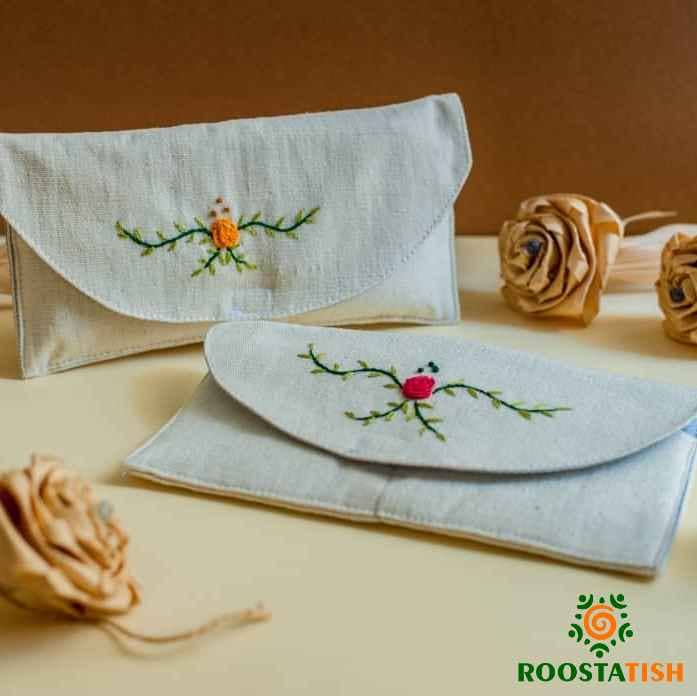
How much do you know about traditional embroidery (Golduzi) in Iran?
Introduction to traditional embroidery (Golduzi) in Iran:
Traditional embroidery in Iran has a long history and great popularity. Every household has at least 1 member that knows how to make embroidered items and if not, you can surely find a good amount of embroidery.
Nowadays, many clothes, hand bags, fabrics, etc., are combined with colorful needlework or “Golduzi” embroidery to add to their charm.
But do you know how long this form of art has been around? Have you ever paid attention to the pattern and design of embroidered fabrics and do you know what each one symbolizes? Do you know how many types of embroidery and needlework there are in Iran?
If you are interested in knowing more about this beautiful art or wondered about it, then read more:

What is “Golduzi”?
“Golduzi” means to sew a certain design on fabric with a special needle and thread.
Since long ago, people in Iran draw and come up with beautiful ideas and patterns that can be used on fabric, and then embroidery artists fill this design with different colors and finally it becomes a painting or a design on a tablecloth, scarf, dress and more.
At first, the designs that were chosen for embroidery included all kinds of flowers or animals, but with the development and expansion of this art, the design expanded and became more complex and unique. Nowadays, we see the embroidery of paintings and more contemporary designs on fabric.
Get to know the history of traditional embroidery in Iran:
The art of embroidery has a very long history and sewing different designs on clothes has flourished since the past. Pants and skirts that were covered with different flower designs or any other pattern can be seen in the works left from ancient times.
If you have been to Persepolis, you must have noticed the designs on people’s clothes carved on the stone walls there.
Therefore, this itself is one of the reasons that shows the existence of embroidery at that time. Also, by studying history, one cannot ignore Alexander The Great’s interest in Iranian “Golduzi” art, and even from the designs left in Taq-e Bostan, we can notice the floor coverings and embroidered fabrics with very beautiful designs.
During the Safavid era, Iranian embroidery reached its peak and became very popular among the artists of different regions.

“Golduzi” in Iran and the rest of the world:
Embroidery artists and fans are not only in Iran.
You can find special embroidered fabrics all over the world.
Here are some examples:
The art of mirror work embroidery:
This type of embroidery is a combination of thread and mirror embroidery.it is also called “Sheesha”. Some believe that the name “Sheesha” embroidery is taken from the Persian language (meaning glass); But today this art is more visible in India, China and Afghanistan. Fabrics embroidered with glass are not only used for clothes, but you can also use them to decorate your home or household items such as sofas, curtains, tablecloths, bedspreads, etc. Of course, fabrics embroidered with mirrors can also be found in Sistan and Baluchistan regions of Iran.
Mexican embroidery:
Mexican embroidery:
The patterns used in this form of Mexican art is a combination of flowers and animals. This embroidery is also called “Otomi” embroidery. among the different designs, you can find a design full of color embroidered by Mexican artists.
Marash embroidery: Marash embroidery is from Armenia and has many fans among girls and women of that country. To increase the charm and beauty of embroidered fabrics, artists combine them with jewels and stones and. If you want to know about the type of Marash embroidery designs, it should be said that they are inspired by birds, religious and symbols and plants.
Spanish embroidery: This type of embroidery, which was very popular in Europe, meant embroidery with gold thread on black silk fabrics.
Female artists in the cities and villages of Iran, including Northern Khorasan, Razavi Khorasan, etc., are engaged in traditional embroidery and have been able to send embroidered fabrics to various countries in the world. This issue has been able to boost the economy of the villages as well as the awareness of people all over the world with Iranian art. In addition to traditional embroidery in Iran, we also see young artists with modern and contemporary designs and roles who have also been able to create a lot of creativity in the world of clothing.
Different designs in embroidery
As mentioned in the previous sections, embroidery designs in the past were influenced by the culture, religion and symbols of each region. For this reason, the role of nature and animals can be seen in old embroidery fabrics, and even happy or calm colors were chosen according to the mood and culture of each region. In Europe, some people used to sew their family emblems on cloth. So for the people, each of the embroidery patterns was a symbol of the beliefs and culture they lived by.
Let’s analyze some Turkmen patterns:
1- In Turkmen embroidery and needlework, we see the role of “Quchaq” or “Quchoq”, which is the meaning and concept of a ram’s horn. Artists used to embroider this design because the ram was a symbol of strength and power.
2- The next design is the “Ichian” or yellow scorpion.
The people of Dasht Qaraqum chose the design of the yellow scorpion to push away bad and evil events.
Animals were embroidered on Turkmen clothes for various reasons such as warding off bad events or because of their religious beliefs and beliefs about some animals.
3- Others, due to the presence of spiders in their daily life, used the design on different types of fabric.
4- The design of a garden has been a symbol of agriculture and cohabitation.They used to embroider the design of four eyes on the fabric to protect themselves.
5- Due to the presence of Turkmen women in wars, the presence of war tools can be seen in ornaments and in the embroidery designs of fabrics.
There are many other designs such as: “Yafarq” or leaf, pendant, etc. These are also embroidered on clothes, shawls and pants.
Needlework curtain, the art of Khorasani people
The art of needlework has been a symbol of the ancients’ attention to their surroundings as well as the importance of beauty and art. Needlework in Khorasan has become an art full of meaning and love, and wonderful designs are combined with imagination, art and symbols. Khorasan needlework can be seen on curtains, quilts, clothes, rugs, covers of the Qur’an and other fabrics. Many researches have been done in the field of Khorasan needlework curtains, and each of these articles has tried to show the concept and beauty of this art.
Among the things that can be done for this very beautiful art is study and research, as well as accuracy in embroidered designs on fabrics.
Get to know the art of Bukhara embroidery
Bukhara embroidery is a type of embroidery art style, and the reason for choosing its name is that there is a lot of silk and cotton in the city of Bukhara, and for this reason, artists decided to implement a method called Bukhara embroidery. In Bukhara, embroidery is done by a special sewing thread. The needlework covers the base fabric so much that it’s not easily visible.
It’s not possible to definitively determine the origin of Bukhara embroidery in Iran; But some signs in history indicate that this art flourished during the Seljuk period and reached its peak during the Ilkhani and Timurid periods, and also during the Safavid era, we witnessed a good prosperity and growth in Bukhara embroidery.
Bukhara embroidered patterns on fabric
Some of the patterns that are created with Bukhara embroidery include: all kinds of flowers such as pomegranate flowers, carnation flowers, geometric patterns, various leaves, bergamot and many other designs. The colors used in this art consist of: white, brown, orange, jade green, wine red, yellow, etc.
Some of the most beautiful Bukhara embroidered fabrics can be found in famous museums such as the Louver, Paris Museum and other important museums of the world. If you travel to these countries, be sure to go to the museum and see these fascinating works of art.
Traditional embroidery in Iran and the tourism industry:
If you are interested in embroidery and all kinds of embroidered fabrics, and even if you are not familiar with this art, it is better to read this written text carefully. Forgetting the traditional arts of a country causes a part of its culture to disappear, as well as the role of the artists who work in this field;
But unfortunately we usually ignore them.
If we continue, the tourism industry will suffer a lot. As you know, if a village is active in the field of embroidery and can sew fabrics with beautiful designs, the number of tourists and travelers who choose that area for sightseeing and traveling will increase.
if you would like to purchase different types of embroidered items, visit roostatish.com
if you liked this post, you may also like: “The art of Pateh Doozi”
